Collection: Heart Health

Your heart beats about 100,000 times a day. So, what you do for it matters a lot. 

The heart is the one organ that never gets a day off. It pumps, it regulates, it keeps everything else moving. Yet most people pay attention to cardiovascular wellness only when something already feels wrong. The right heart health supplements work before that point. They fill the nutritional gaps that quietly affect how your heart performs every single day. 

What Your Heart Needs to Stay Strong

Your cardiovascular system is one of the most nutrient-dependent systems in your body. It relies on a steady supply of specific compounds to maintain rhythm, circulation, and cellular energy. When any of these run low, the effects are not always obvious right away. You may feel it as low stamina, poor recovery, or unexplained fatigue long before anything more serious shows up.

Your heart and circulatory system depend on four nutrient categories:

  • Omega-3 Fatty Acids

EPA and DHA are the two fatty acids your heart actively uses. Omega 3 for heart health works by supporting healthy triglyceride levels, improving circulation, and reducing vascular inflammation. Your body cannot produce these on its own, so dietary or supplemental sources are essential.

  • Cellular Energy Compounds

Your heart is a muscle. It never stops working. Coenzyme Q10 is a compound your heart cells use to produce energy at the mitochondrial level. CoQ10 levels naturally decline with age, and its absence shows up as reduced cardiac efficiency.

  • Antioxidant Polyphenols

Free radicals and oxidative stress directly affect blood vessel integrity. Polyphenols like resveratrol protect arterial walls, support healthy circulation, and reduce the kind of cellular damage that builds up silently over the years.

  • Minerals and Electrolytes

Magnesium regulates your heart's electrical activity. It controls muscle contractions, supports healthy blood pressure, and helps arteries stay relaxed. A deficiency in magnesium is one of the most common and most overlooked contributors to poor cardiovascular wellness.

This is what your heart needs, and this picture does not change regardless of which cardiovascular support supplements you add to your routine over time.

Find the Right Heart Health Supplements

Pumpd has four products built specifically for cardiovascular wellness, each one targeting a different layer of what your heart depends on.

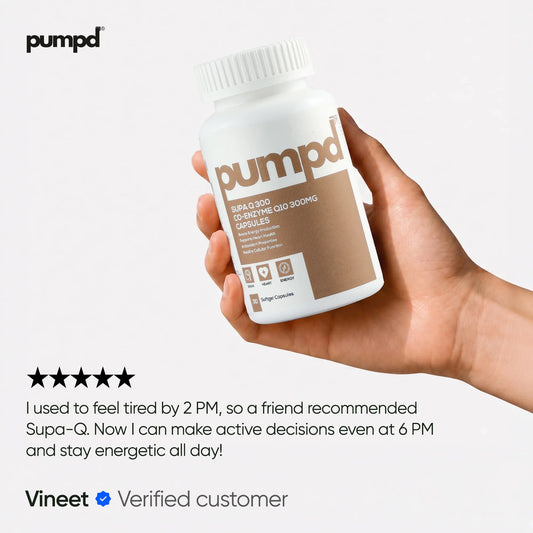
Pumpd SUPA Q 300 (CoQ10 300 mg) 

CoQ10 is one of the most studied cardiovascular support supplements available. SUPA Q 300 delivers 300mg of Coenzyme Q10 per serving in a softgel form with natural oils for better absorption. 

Your heart cells use CoQ10 directly to generate energy at a cellular level. This is especially important for people over 35, as natural CoQ10 production declines steadily with age. The formula is free from gluten, artificial colors, and harmful additives.  One softgel daily, taken with a meal, is all it takes.

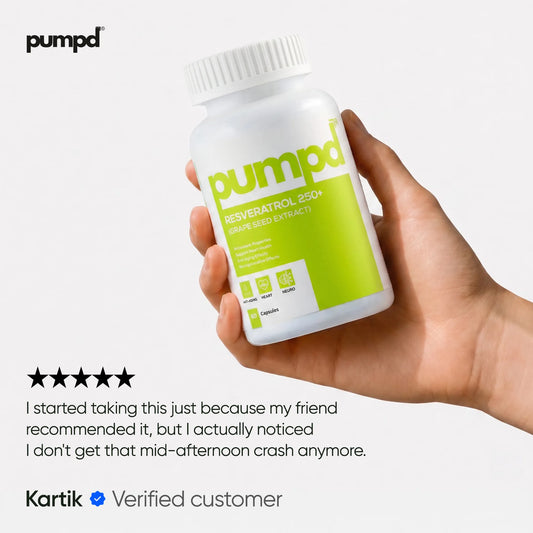
Pumpd Resveratrol 250+ 

Resveratrol is a polyphenol found naturally in grapes and berries. Pumpd's formula delivers 250mg of resveratrol at 50% concentration, paired with grape seed extract for compounded antioxidant action. 

Together, they protect arterial walls from oxidative damage, support healthy blood circulation, and reduce vascular inflammation. As heart health supplements go, Resveratrol 250+ works at the cellular level, where most supplements do not reach. It is non-GMO, clean-label, and designed for once-daily use.

Pumpd Salmon Fish Oil 

This is the most direct Omega 3 for heart health you can find in Pumpd's range. Each softgel delivers EPA and DHA from cold-pressed, mercury-tested salmon oil. EPA reduces vascular inflammation and supports healthy triglyceride levels. DHA supports heart rhythm and cognitive function. 

No fishy aftertaste, no heavy metal residues, and no artificial preservatives. Among cardiovascular support supplements, Omega-3 from fish oil remains one of the most clinically supported options globally.

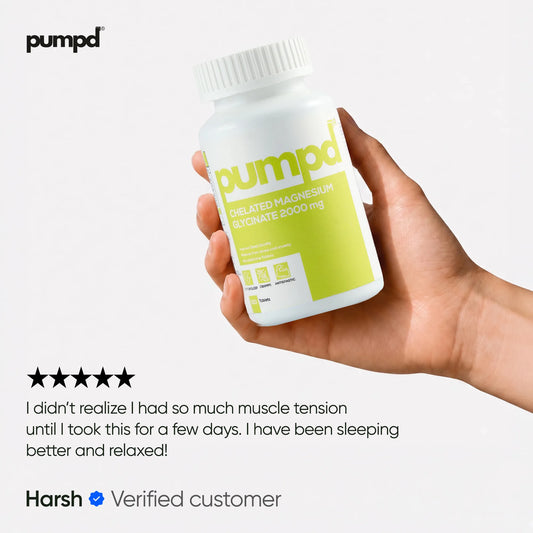
Pumpd Chelated Magnesium Glycinate 

Magnesium is the mineral your heart's electrical system depends on. Pumpd's chelated form uses magnesium glycinate, a highly bioavailable compound that absorbs without causing digestive discomfort. 

It supports heart rhythm, relaxes blood vessels, helps regulate blood pressure, and reduces the arterial tension that contributes to cardiovascular strain. It also supports sleep and stress relief, both of which directly affect heart health long-term. Two tablets daily as part of your routine is the right approach.

Build a Heart Health Routine That Lasts

Cardiovascular wellness improves with consistent habits across nutrition, movement, and smart supplementation. Here is what a solid heart health routine actually looks like:

Nutrition

  • Eat heart-friendly fats daily, found in fish, nuts, seeds, and avocados
  • Reduce refined carbohydrates and added sugars, as both raise triglycerides over time
  • Include antioxidant-rich foods like berries, dark leafy greens, and tomatoes
  • Limit excess sodium, as it raises blood pressure and strains the cardiovascular system

Movement

  • Do at least 150 minutes of moderate aerobic exercise each week
  • Cardio exercise directly strengthens the heart muscle and improves circulation
  • Add resistance training twice a week; it supports healthy blood pressure
  • Avoid sitting for long, unbroken stretches throughout the day

Supplementation

  • Take heart health supplements daily, not only when you feel off
  • Pair Omega 3 for heart health with CoQ10 for compounded cardiovascular support
  • Add Resveratrol if your diet is low on fresh fruits and polyphenol-rich foods
  • Use Chelated Magnesium if stress, poor sleep, or muscle tension are regular issues
  • Give cardiovascular support supplements for at least 8 to 12 weeks to show measurable results

Lifestyle

  • Quit smoking and reduce alcohol; both are direct cardiovascular stressors
  • Sleep 7 to 8 hours every night; sleep deprivation raises blood pressure and inflammation
  • Manage chronic stress actively, and cortisol is one of the most damaging long-term heart stressors
  • Get regular checkups to track lipid panels, blood pressure, and heart rate

Heart health supplements fill the nutritional gaps that even a good diet often leaves behind. The rest is built through how you live every single day.

Frequently Asked Questions

What do heart health supplements actually do?

Heart health supplements support the nutrient systems your cardiovascular system depends on, including cellular energy production, vascular protection, healthy circulation, and mineral balance. They work best alongside a heart-healthy diet and regular physical activity.

What is the best Omega 3 for heart health?

Omega 3 for heart health works best when it delivers both EPA and DHA from a clean, mercury-tested source. EPA reduces inflammation and supports triglyceride levels. DHA supports heart rhythm and brain function. Salmon Fish Oil from Pumpd delivers both in one cold-pressed, bioavailable softgel.

Are cardiovascular support supplements safe for daily use?

Yes. Cardiovascular support supplements like CoQ10, Resveratrol, Omega-3, and Magnesium are safe for most healthy adults when taken at recommended doses. Always consult a healthcare provider if you are on medication or have a pre-existing heart condition.

Can I take all four products together?

Yes. SUPA Q 300, Resveratrol 250+, Salmon Fish Oil, and Chelated Magnesium Glycinate each target different aspects of cardiovascular wellness. There is no conflict between them, and they complement each other well as a complete heart health supplement stack.

How long before cardiovascular support supplements show results?

Most people notice improved energy and reduced fatigue within 3 to 4 weeks. Measurable improvements in circulation and triglyceride levels with Omega 3 for heart health typically take 8 to 12 weeks of consistent daily use.

Who needs heart health supplements most?

People over 35, those with sedentary lifestyles, high-stress jobs, poor dietary habits, or a family history of cardiovascular issues benefit the most. Magnesium deficiency is particularly common in urban Indian diets and directly affects heart rhythm and blood pressure.